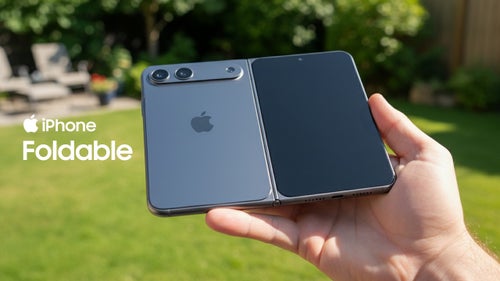
Apple’s move into the foldable smartphone arena has been anticipated for years. But as rumors solidify around a potential Foldable iPhone Ultra, a growing consensus suggests the device might not launch smoothly. Despite Apple’s engineering prowess, the Foldable iPhone Ultra could face real issues on day one—ranging from hardware fragility to supply constraints and ecosystem readiness.
This isn’t just speculation. History shows Apple doesn’t rush products it can’t perfect. Yet, competitors like Samsung, Oppo, and Motorola have already endured—and improved through—early foldable growing pains. Apple entering late means higher expectations, and any misstep on launch day could damage credibility in a market where first impressions are critical.
Let’s break down the most likely problems the Foldable iPhone Ultra could face when it finally arrives.
Display Durability: Can Apple Crack the Foldable Screen Problem?
Foldable displays remain the Achilles’ heel of folding smartphones. Even Samsung, the market leader, had to iterate through multiple layers of ultra-thin glass, protective films, and hinge refinements before achieving acceptable durability.
The Foldable iPhone Ultra will likely use a similar inward-folding design, exposing the display to dust, pressure, and crease formation over time. Early prototypes reportedly use a dual-layer polymer display, but real-world testing could reveal:
- Micro-scratches forming near the hinge within weeks
- Visible creasing after 50,000 folds (Apple’s alleged durability target)
- Sensitivity issues with the touchscreen near the bend zone
Unlike competitors who market foldables as “premium experiments,” Apple will face backlash if its Ultra model requires a warning label: “Avoid placing pressure on the center of the screen.” Users expect Apple devices to be robust, not delicate.
Apple might mitigate risk by limiting initial availability or shipping with a mandatory case—but that undermines the sleek, minimalist design users expect.
Hinge Mechanism: Precision Engineering vs. Daily Wear
The hinge is more than a mechanical component—it’s the core of the foldable experience. Samsung’s “Flex Hinge” and Motorola’s “Cam-Lock” system have proven reliable after years of refinement. Apple, however, has no public track record here.
Leaks suggest Apple is developing a “dual-actuator” hinge with tighter tolerances and automatic debris detection. Sounds impressive, but complexity introduces failure points. Consider:
- Lubrication breakdown over time leading to stiff folding
- Debris ingress causing misalignment or screen lift
- Uneven pressure distribution accelerating display fatigue
During drop tests, folding phones often suffer hinge damage before screen shattering. If the Foldable iPhone Ultra uses a narrow hinge to maintain slimness, it could become a structural weak point. Worse, repairs could be costly—Apple’s proprietary parts and labor fees might price out casual fixers.
Early adopters could pay a premium for a design that, while elegant, proves fragile under real-world use.
App Ecosystem: Will iOS Be Ready?
Hardware is only half the battle. Samsung succeeded with foldables partly because Android allows flexible UI scaling and multi-window workflows. But iOS was built for fixed screen sizes.
While iPadOS supports split views and slide-overs, iPhone apps haven’t needed to adapt to drastic aspect ratio changes—until now.
On day one, the Foldable iPhone Ultra might suffer from:
- Apps not expanding to fill the unfolded display
- Poor optimization causing black bars or stretched graphics
- Inconsistent gestures between folded and unfolded modes
Developers will need time to update their apps, but without a large user base initially, motivation will be low. Apple could pressure top-tier developers pre-launch, but smaller apps and niche tools may lag for months.
Imagine unfolding your $2,000 Foldable iPhone Ultra to find your banking app still locked in portrait mode—frustrating, and avoidable.
Apple may introduce new developer tools (like an iOS Fold SDK), but ecosystem readiness won’t happen overnight.
Battery Life: Powering a Larger, Dynamic Display
Foldables consume more power. Larger screens, dual sensors, and extra circuitry drain batteries faster. Even Samsung’s Galaxy Z Fold 5 struggles to last a full day under heavy use.
The Foldable iPhone Ultra is rumored to include two batteries—one in each panel—to maintain balance and charging efficiency. But this design introduces new challenges:
- Uneven discharge leading to “phantom drain”
- Slower charging due to power distribution complexity
- Heat buildup in the hinge area during fast charging
Apple’s A-series chips are efficient, but driving a 7.8-inch OLED at high brightness with 120Hz refresh will demand more than an iPhone 15 can handle. If Apple doesn’t increase battery size significantly, users may face midday charging anxiety.
And unlike traditional iPhones, a foldable’s battery isn’t easily replaceable. Third-party repairs could be risky or void warranty, locking users into Apple’s high-cost service network.
Supply Chain and Production Yield Headaches
Apple’s supply chain is the most advanced in consumer electronics, but foldables introduce new bottlenecks.
Key components for the Foldable iPhone Ultra—like ultra-thin glass, flexible OLED panels, and precision hinges—are harder to manufacture at scale. Early production runs are likely to have low yields, meaning many units fail quality checks.
Samsung took years to improve foldable yields; Apple might face similar struggles. Result? Limited launch quantities and long wait times.
Worse, if Apple sources displays from multiple vendors (Samsung Display, LG, BOE), quality inconsistency could emerge. Some users may get smooth, crease-free screens while others report visible flaws—damaging brand trust.
Historically, Apple avoids this by delaying launches until it can scale. But pressure to compete with Android foldables may force a rushed release. The Foldable iPhone Ultra could become a “sold out everywhere” device—not due to demand, but supply limits.
Price: The $2,000 Dilemma
The Foldable iPhone Ultra is expected to cost between $1,999 and $2,499. That’s a massive jump from standard iPhones and even exceeds most Samsung foldables.
At that price, expectations will be sky-high. But early adopters may pay a premium for a device with:
- Marginal real-world benefits over an iPhone Pro + iPad combo
- Potential durability concerns
- Unproven software experience
Consumers might question: Is this a luxury fashion statement or a practical upgrade?
Compare it to the Samsung Galaxy Z Fold 5 ($1,799): cheaper, mature ecosystem, proven design. Apple’s brand premium may not be enough to justify the cost difference—especially if the Foldable iPhone Ultra ships with compromises.
Apple could position it as a productivity powerhouse, but without killer apps or exclusive features, it risks becoming a niche product.

Market Readiness: Are Consumers Actually Waiting?
Despite tech buzz, foldables remain a small segment. IDC reports foldables made up just 1.5% of global smartphone shipments in 2023. Most users don’t need a folding phone—they want reliability, battery life, and camera quality.
Apple’s core audience values simplicity and longevity. A fragile, high-maintenance device like a foldable may alienate loyal users.
Meanwhile, early adopters might prefer Android foldables for their customization, multi-tasking, and faster innovation cycles. Apple’s cautious approach could make the Foldable iPhone Ultra feel outdated at launch—like arriving late to a party with last season’s trends.
Unless Apple delivers a truly transformative experience, the Foldable iPhone Ultra could become a showcase device rather than a mass-market success.
What Apple Can Do to Avoid Launch Day Failure
Apple isn’t without solutions. To prevent the Foldable iPhone Ultra from stumbling at launch, the company should:
- Delay launch until yields and software are ready – Better late than flawed.
- Bundle productivity apps – Offer Apple Pencil support, enhanced multitasking, and Continuity upgrades.
- Include a protective case by default – Prevent early screen damage.
- Launch with a trade-in and warranty program – Reduce risk for buyers.
- Partner with developers early – Ensure top 100 apps are optimized at launch.
Most importantly, Apple must define a clear use case. Is this a mobile workstation? A luxury media device? A new category? Without a compelling answer, it’s just a folding iPhone with a higher price tag.
Conclusion: High Risk, High Reward
The Foldable iPhone Ultra might have a problem on launch day—not because Apple lacks capability, but because the stakes are higher. Users won’t forgive fragility, poor app support, or supply shortages in a $2,000 device.
While Apple has time to course-correct, the window is closing. The longer the wait, the more competitors improve. The sooner it launches, the higher the risk of missteps.
For now, the smart move is cautious optimism. Pre-order only if you’re prepared for potential issues. Wait six months for real-world reviews. Or skip it entirely and stick with a proven iPhone and iPad combo.
The foldable future is coming. But the Foldable iPhone Ultra must earn its place—not assume it.
FAQs
Will the Foldable iPhone Ultra be waterproof? Unlikely. Current foldables lack full IP ratings due to hinge gaps. Apple may offer splash resistance, but submersion isn’t expected.
Can I replace the screen if it gets damaged? Yes, but it’ll be expensive. Apple may charge over $600 for screen repairs, more than some full phones.
Will it support Apple Pencil? Rumors suggest a modified version could work on the inner display, but no official confirmation yet.
How many folds is the screen rated for? Expected to be around 50,000 folds—roughly five years of average use.
Will it have Face ID when unfolded? Likely, but Apple may add an under-display solution or limit biometric use to the outer screen.
Is the battery replaceable? Not easily. Like most modern smartphones, it’ll require professional service.
Will it run iPadOS? No. It will run a modified version of iOS with expanded multitasking features.
FAQ
What should you look for in Foldable iPhone Ultra Could Face Launch Day Issues? Focus on relevance, practical value, and how well the solution matches real user intent.
Is Foldable iPhone Ultra Could Face Launch Day Issues suitable for beginners? That depends on the workflow, but a clear step-by-step approach usually makes it easier to start.
How do you compare options around Foldable iPhone Ultra Could Face Launch Day Issues? Compare features, trust signals, limitations, pricing, and ease of implementation.
What mistakes should you avoid? Avoid generic choices, weak validation, and decisions based only on marketing claims.
What is the next best step? Shortlist the most relevant options, validate them quickly, and refine from real-world results.