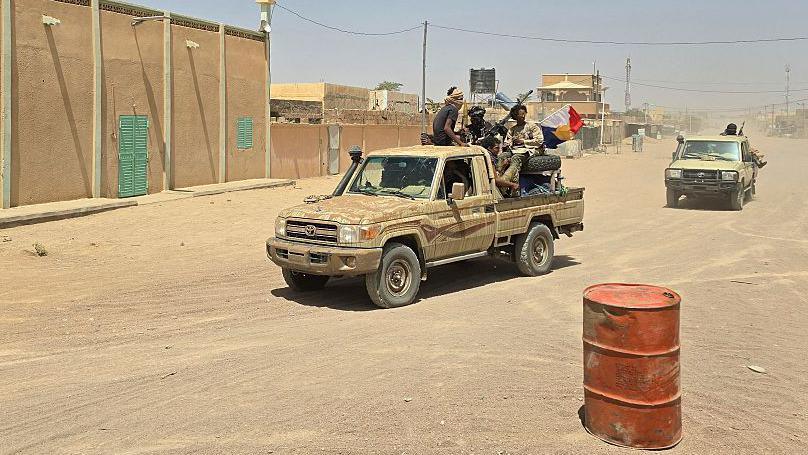
Mali is unraveling. In the wake of sustained jihadist attacks and growing instability in the north, Russia’s Africa Corps has confirmed its withdrawal from Kidal—a strategic stronghold once central to counterinsurgency efforts. The departure marks a pivotal shift in Mali’s security landscape and raises urgent questions about Moscow’s long-term commitment to the Sahel.
This isn’t just a military retreat. It’s a recalibration of foreign involvement in one of Africa’s most volatile regions. While Malian and Russian forces framed the move as part of a "strategic repositioning," local sources report increased militant activity following the pullout. The vacuum left behind is being exploited—fast.
The Strategic Weight of Kidal
Kidal isn’t just another desert town. Positioned in northeastern Mali, it sits at the crossroads of Niger, Algeria, and Libya—key transit corridors for arms, people, and extremist movements. Historically, it’s been a stronghold for Tuareg rebels and, more recently, a base for counterterrorism operations led by foreign forces.
Control of Kidal has changed hands repeatedly: - French forces occupied it from 2013 to 2014 - Handover to MINUSMA (UN mission) in 2015 - Brief capture by jihadist groups in 2022 - Reclaimed by Malian army and Russian allies in 2023
The region’s sparse population and harsh terrain make governance nearly impossible, but its symbolic and tactical value is immense. Losing it to insurgents means losing a critical node in the fight against groups like JNIM (al-Qaeda affiliate) and ISGS (Islamic State in the Greater Sahara).
Russia’s Africa Corps, widely understood as a rebranded Wagner Group operation, had established a fortified outpost in Kidal after the French withdrawal. Their arrival was sold as a stabilizing force. Now, their exit suggests either operational failure or a broader strategic pivot.
Why Russia Left: Tactical Retreat or Strategic Failure?
Russia’s Africa Corps didn’t announce the withdrawal lightly. The official statement cited “completion of assigned missions” and a “redeployment to high-threat zones.” But the timing says otherwise.
Within 72 hours of the pullout, multiple attacks hit the surrounding regions: - Ambush on a Malian army convoy near Tinzaouaten (37 soldiers killed) - Suicide bombing at a gendarmerie post in Ménaka - Drone strike on a supply depot in Gao
These weren’t random. They followed predictable patterns—coordinated, well-resourced, and executed with precision. Insurgent groups appear to have anticipated the withdrawal, suggesting intelligence leaks or battlefield reconnaissance.
Possible reasons behind the pullout:
1. Logistical Strain Operating in Kidal is a nightmare. Supply lines stretch over 1,000 km from Bamako. Fuel, food, and ammunition must be airlifted or convoyed through hostile zones. Russia’s Africa Corps, now operating under tighter financial scrutiny post-Wagner’s collapse, may have deemed the cost unsustainable.
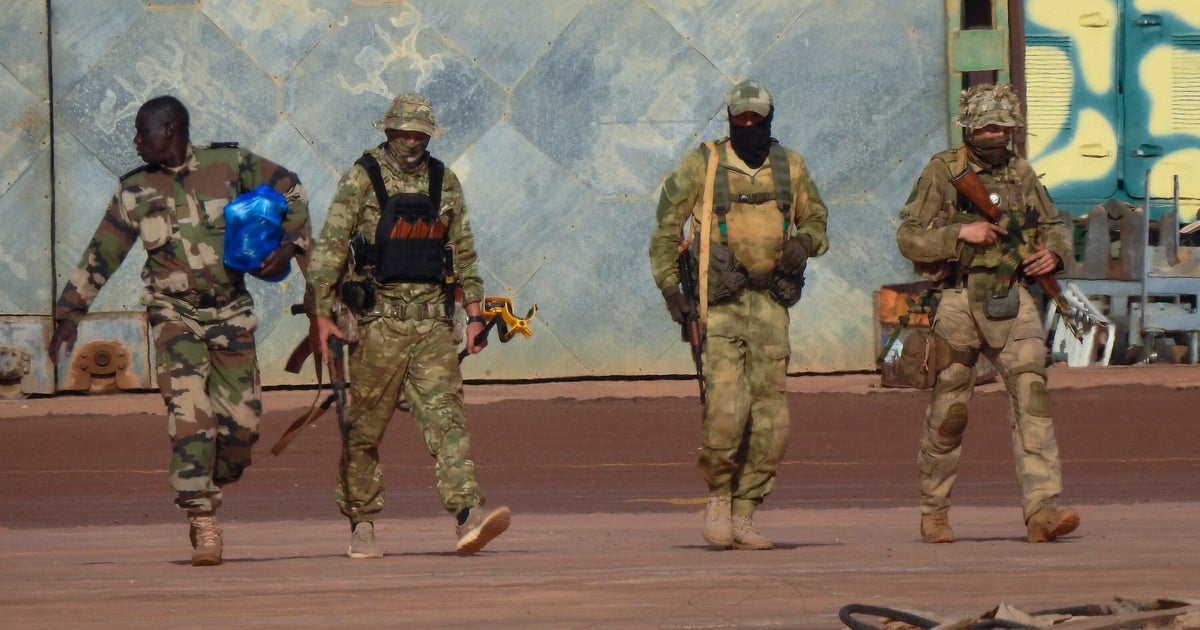
2. Local Resistance Despite initial cooperation, local Tuareg communities have grown wary of Russian forces. Accusations of human rights abuses, extrajudicial killings, and cultural insensitivity have fueled resentment. Unlike the French, who maintained a degree of diplomatic buffer, Russian units operated with minimal local engagement—alienating potential allies.
3. Shift in Moscow’s African Strategy Russia is consolidating its footprint. Instead of holding remote outposts, it’s focusing on urban centers where political leverage is greater. Bamako, Gao, and Mopti offer better access to government institutions, media, and diplomatic channels. Holding Kidal may no longer align with Moscow’s goal of influencing policy—not terrain.
What Happens Now? The Security Vacuum With Russian forces gone and Malian troops overstretched, the security vacuum is already being filled—by the wrong actors.
Jihadist Groups Move Fast
- JNIM has re-established checkpoints along key roads leading into Kidal.
- ISGS is expanding recruitment among disaffected youth in the region.
- Local bandits, often affiliated with larger networks, are seizing control of smuggling routes.
A Malian intelligence officer, speaking anonymously, confirmed: “They’re moving in like water into a cracked dam. We have no presence north of Tessalit right now.”
Without air support or rapid reaction forces, the Malian army is responding slowly. Their focus remains on central Mali, where violence has spiked in recent months.
Regional Spillover Risk
The implications extend beyond Mali’s borders: - Niger: Already struggling with its own insurgency, Niger now faces increased cross-border raids. - Algeria: Heightened alert along its southern border; concerns over dormant sleeper cells. - Burkina Faso: Insurgent coordination between Mali and Burkina is intensifying, with joint operations reported in the Liptako-Gourma region.
Russia’s Waning Influence in the Sahel
This withdrawal isn’t isolated. It’s part of a broader erosion of Russian influence across West Africa.
- Burkina Faso: Protests against Russian military presence in 2024 forced a temporary base closure.
- Niger: After the 2023 coup, Russia offered support, but the junta leaned toward alternative partners.
- Mali: Once Moscow’s closest ally in the region, Malian officials are now quietly reaching out to European trainers.
The Africa Corps’ departure from Kidal is symbolic. It signals that even where Russia has invested blood and political capital, gains are fragile. The model of “guns for legitimacy”—using military support to gain diplomatic access—is showing cracks.
One geopolitical analyst noted: “Russia thought they could outlast the West by being more ruthless. But brutality doesn’t win loyalty. It breeds resistance.”
How This Affects Counterterrorism Strategy
The failure to hold Kidal reveals deeper flaws in Mali’s counterterrorism approach—one mirrored across the Sahel.
Common Mistakes in Current Strategy
| Mistake | Consequence |
|---|---|
| Overreliance on foreign forces | Creates dependency; no long-term local capacity |
| Ignoring root causes (poverty, marginalization) | Fuels recruitment for extremist groups |
| Heavy-handed tactics | Alienates civilian populations, leading to intelligence blackouts |
| Poor interagency coordination | Military, intelligence, and civil governance operate in silos |
A Better Path Forward

- Invest in Local Defense Units: Community-based militias, properly trained and vetted, can hold territory more sustainably than foreign troops.
- Restore Basic Services: Schools, clinics, and clean water reduce the appeal of extremist governance.
- Intelligence-Led Operations: Shift from reactive raids to targeted disruption based on human intel.
- Regional Coordination: Joint patrols, intelligence sharing, and synchronized operations across Mali, Niger, and Burkina Faso.
The African Union and ECOWAS have frameworks for this—but they’re underfunded and politically hamstrung. International donors need to prioritize capacity building over quick military fixes.
What the Withdrawal Means for Mali’s Future
Mali stands at a crossroads. The junta, in power since 2020, has bet heavily on Russian support to consolidate control. But if that support wanes or shifts focus, the regime’s legitimacy could falter.
Public sentiment is already shifting. In urban centers like Bamako, frustration is growing over the cost of prolonged military rule: - Economic stagnation - Rising food prices - Dwindling foreign investment
Meanwhile, rural populations in the north feel abandoned. No security, no services, no voice.
The withdrawal from Kidal isn’t just a military event—it’s a political signal. It tells Malians that even their most powerful allies can’t hold the north indefinitely. That realization could either force a new peace strategy or trigger deeper fragmentation.
Conclusion: A Temporary Pause, Not a Resolution
Russia’s Africa Corps may have left Kidal, but the conflict hasn’t ended. If anything, it’s entering a more dangerous phase. Without a coherent strategy, Mali risks becoming a patchwork of contested zones, each controlled by warlords, jihadists, or foreign mercenaries.
The departure should serve as a wake-up call. Security can’t be outsourced. Stability can’t be bombed into existence. The only lasting solution lies in governance—local, inclusive, and accountable.
For now, the sands of Kidal are shifting again. And those who control the narrative will shape the region’s next chapter.
FAQ
Why did Russia’s Africa Corps withdraw from Kidal? The official reason is strategic repositioning, but the decision likely stems from logistical challenges, local resistance, and a shift in Russia’s broader Sahel strategy.
Are jihadist attacks increasing after the withdrawal? Yes. Multiple attacks have occurred in northern Mali within days of the pullout, indicating a rapid response by militant groups.
Is the Wagner Group still active in Mali? While the Wagner Group was officially disbanded, its operations continue under the rebranded “Africa Corps,” with similar personnel and tactics.
What will replace Russian forces in Kidal? Currently, nothing. The Malian army lacks the capacity to fully secure the region, creating a dangerous security vacuum.
How does this affect Mali’s relations with Western countries? It may open space for renewed engagement with European partners, though the junta remains skeptical of former colonial powers.
Could Kidal fall back to rebel control? Yes. Tuareg-led groups and jihadists both have historical presence and are actively moving into the area.
What’s at stake for regional stability? The entire Sahel is at risk. Unchecked violence in northern Mali could spill into Niger, Burkina Faso, and beyond, destabilizing West Africa.
FAQ
What should you look for in Mali Attacks: Russia’s Africa Corps Leaves Kidal Amid Escalation? Focus on relevance, practical value, and how well the solution matches real user intent.
Is Mali Attacks: Russia’s Africa Corps Leaves Kidal Amid Escalation suitable for beginners? That depends on the workflow, but a clear step-by-step approach usually makes it easier to start.
How do you compare options around Mali Attacks: Russia’s Africa Corps Leaves Kidal Amid Escalation? Compare features, trust signals, limitations, pricing, and ease of implementation.
What mistakes should you avoid? Avoid generic choices, weak validation, and decisions based only on marketing claims.
What is the next best step? Shortlist the most relevant options, validate them quickly, and refine from real-world results.