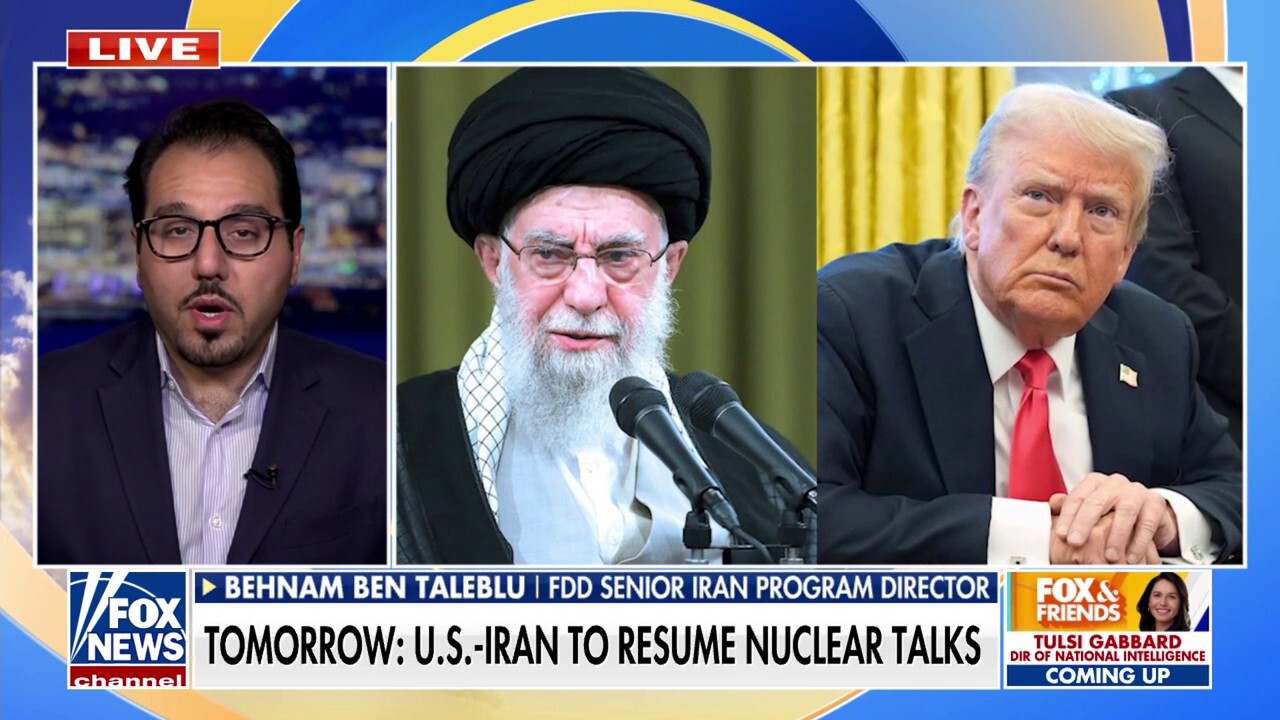
Iran’s recent wave of diplomatic activity across Asia, Europe, and the Global South has sent ripples through international corridors—just as former President Donald Trump reiterates that the United States still holds the upper hand. While Tehran pushes to break its isolation and reframe its global image, Trump’s narrative hinges on leverage: maximum pressure, sanctions, and military posture. The clash isn’t just about policy—it’s about perception, timing, and who controls the narrative in a swiftly shifting geopolitical landscape.
This isn’t diplomacy by accident. Iran’s flurry of engagements—from high-level talks in Beijing and Moscow to outreach in Southeast Asia and Africa—comes amid stalled nuclear negotiations, escalating regional tensions, and an urgent need to diversify alliances. Meanwhile, Trump’s insistence that “the U.S. has the cards” reflects a strategy rooted in dominance, not dialogue. But does that still hold true?
Let’s break down the dynamics, the real-world implications, and what both sides are really playing for.
The Anatomy of Iran’s Diplomatic Push
Iran isn’t just meeting with allies—it’s courting fence-sitters, neutral powers, and nations wary of Western influence. In the past six months, Iranian officials have held over 20 high-profile meetings with counterparts in China, Russia, Indonesia, Turkey, and several African nations. The messaging is consistent: Iran is open for cooperation, committed to regional stability, and willing to engage beyond zero-sum frameworks.
Take the visit to Beijing. While publicly focused on expanding trade and energy ties, behind closed doors, coordination on navigating U.S. sanctions was central. China has become a critical lifeline—absorbing Iranian oil, investing in infrastructure, and offering diplomatic cover at the UN. But Iran isn’t putting all its eggs in one basket. Recent overtures to India and Malaysia highlight a broader strategy: build economic resilience through multipolarity.
Even in traditionally hostile environments, Iran is testing the waters. Diplomatic feelers to Saudi Arabia and Oman continue, albeit cautiously. These aren’t peace breakthroughs, but they signal a shift—from confrontation to calibrated engagement.
Why now? Sanctions have bitten deep. Inflation hovers near 40%, youth unemployment is critical, and public trust in the economy is fragile. Diplomacy isn’t just about foreign policy—it’s economic survival. By expanding trade routes and securing investment, Iran aims to create parallel systems that bypass U.S. financial control.
Trump’s “We Have the Cards” Doctrine
Donald Trump’s repeated assertion that the U.S. holds the upper hand isn’t new—it’s a refrain from his 2017–2021 presidency. His strategy centered on “maximum pressure”: suffocating Iran with sanctions, isolating it diplomatically, and leveraging military presence in the Gulf.

To Trump and his advisors, the logic is simple: - The U.S. controls global financial systems (via SWIFT and dollar dominance). - Secondary sanctions deter European and Asian firms from dealing with Iran. - The threat of military action keeps Tehran cautious.
In speeches and interviews, Trump often cites the 2020 drone strike that killed Qasem Soleimani as proof of U.S. dominance. “They know we’re the ones with the power,” he said in a 2023 rally. “No deal, no relief—unless they come to us on our terms.”
But this doctrine assumes static conditions. It underestimates Iran’s adaptation and overestimates the durability of U.S. leverage.
The Gaps in Trump’s Leverage Narrative
Trump’s claim that “the U.S. has the cards” rests on three assumptions—all of which are fraying.
1. Sanctions = Surrender Reality: Iran has developed extensive workarounds. Oil exports, though reduced, persist through shadow fleets, barter deals, and intermediaries in China and Venezuela. The Central Bank of Iran now relies on alternative payment channels, including cryptocurrency and regional clearinghouses.
2. Allies Will Enforce U.S. Policy Reality: Europe’s compliance is waning. While officially opposing nuclear proliferation, countries like France and Germany continue energy and infrastructure talks with Iran—off the record. Meanwhile, India quietly imports Iranian oil, citing energy security.
3. Military Deterrence Prevents Escalation Reality: Deterrence cuts both ways. While the U.S. has carrier groups in the Gulf, Iran has developed asymmetric capabilities—drones, precision missiles, proxy networks in Yemen, Iraq, and Lebanon. A direct strike risks a regional war few want.
Iran’s diplomacy exploits these cracks. By normalizing ties with non-Western powers, it reduces dependence on any single relationship. It’s not about winning—it’s about surviving and slowly expanding room to maneuver.
Real-World Diplomacy in Action: Case Studies
Let’s examine two concrete examples of Iran’s new diplomatic playbook.
Case 1: The China-Iran 25-Year Cooperation Agreement Signed in 2021 but gaining momentum now, this deal commits China to $400 billion in investments across energy, transportation, and tech. In return, Iran offers long-term oil discounts and strategic port access. While implementation has been slow, the symbolic weight is immense: it signals that Iran can secure major partnerships despite U.S. pressure.
Case 2: Mediation in Regional Conflicts Iran has positioned itself as a behind-the-scenes broker in Sudan and Syria. While not publicly acknowledged, Iranian intelligence channels have facilitated prisoner exchanges and ceasefire discussions. This isn’t altruism—it’s influence laundering. By helping resolve crises, Iran gains legitimacy and diplomatic goodwill.
These moves don’t reverse sanctions overnight. But they chip away at isolation and build long-term leverage.
How Trump’s Rhetoric Plays Domestically vs. Internationally
Trump’s “we have the cards” message resonates with his base. It frames foreign policy as a poker game—strong hand, bold moves, no concessions. In U.S. media, especially conservative outlets, this narrative dominates: Iran as a rogue state that only respects strength.

But abroad, the tone is different. U.S. allies see unpredictability. European diplomats recall Trump’s abrupt withdrawal from the JCPOA in 2018, which destabilized years of negotiation. Now, as Iran courts Europe again, many capitals are hesitant to fully re-engage with U.S.-led pressure campaigns.
The irony? Trump’s tough talk may have strengthened Iran’s case to the world: “See? The U.S. won’t negotiate in good faith. We must find other partners.”
The Risk of Miscalculation
Both sides are playing high-stakes games, but the danger lies in misreading intentions.
Iran’s diplomacy could be seen as confidence-building—or as a smokescreen for advancing nuclear capabilities. Satellite imagery shows expanded centrifuge installations at Fordow and Natanz. While not weapons development, it reduces breakout time.
Meanwhile, Trump’s insistence on unilateral control may encourage premature military posturing. In 2024, a fringe proposal among some advisors was a “surgical strike” on Iranian facilities—framed as “restoring deterrence.” Such an action could trigger retaliation via Hezbollah or Shia militias, pulling the U.S. into a wider conflict.
Diplomacy, even when brisk and strategic, is not a substitute for trust. And right now, trust is in short supply.
What’s Next? Scenarios for 2025 and Beyond
The trajectory depends on three variables: U.S. elections, Iran’s domestic stability, and global energy dynamics.
Scenario 1: Trump Returns to Power Expect renewed maximum pressure. Sanctions snap back. Diplomatic channels freeze. Iran responds with deeper ties to China and Russia, and potentially accelerates nuclear activities. Risk of confrontation spikes.
Scenario 2: U.S. Pursues Negotiated Reset A different administration might revive JCPOA talks with modifications—addressing ballistic missiles and regional behavior. Iran could freeze enrichment in exchange for sanctions relief. But trust-building would take years.
Scenario 3: Stalemate Continues Most likely. Iran keeps expanding its diplomatic network, quietly exporting oil, and strengthening proxies. The U.S. maintains sanctions but lacks enforcement consensus. Regional tensions simmer without boiling over.
None of these scenarios offer clean victories. All involve trade-offs, risks, and unintended consequences.
The Bottom Line: Power Isn’t Just in the Cards—It’s in the Game
Trump’s metaphor of holding the cards oversimplifies global power. Yes, the U.S. has financial, military, and diplomatic weight. But power isn’t static—it’s relational. Iran’s diplomatic surge proves that even under pressure, a state can reshape its options.
Tehran isn’t winning—it’s surviving, adapting, and building alternatives. And in the long game of international relations, survival often precedes resurgence.
For policymakers, the lesson is clear: coercion without diplomacy creates resistance, not submission. For observers, the takeaway is sharper—don’t confuse bluster for control. The real power lies not in who holds the cards, but in who can change the rules of the game.
Act accordingly. Engage with nuance. And never underestimate a nation fighting for its geopolitical breath.
FAQ
What should you look for in Iran’s Diplomatic Surge Amid Trump’s Power Play Claims? Focus on relevance, practical value, and how well the solution matches real user intent.
Is Iran’s Diplomatic Surge Amid Trump’s Power Play Claims suitable for beginners? That depends on the workflow, but a clear step-by-step approach usually makes it easier to start.
How do you compare options around Iran’s Diplomatic Surge Amid Trump’s Power Play Claims? Compare features, trust signals, limitations, pricing, and ease of implementation.
What mistakes should you avoid? Avoid generic choices, weak validation, and decisions based only on marketing claims.
What is the next best step? Shortlist the most relevant options, validate them quickly, and refine from real-world results.